01
Hoodoo
An active practice rooted in Black Southern folk spirituality — ancestors, roots, prayer, work.
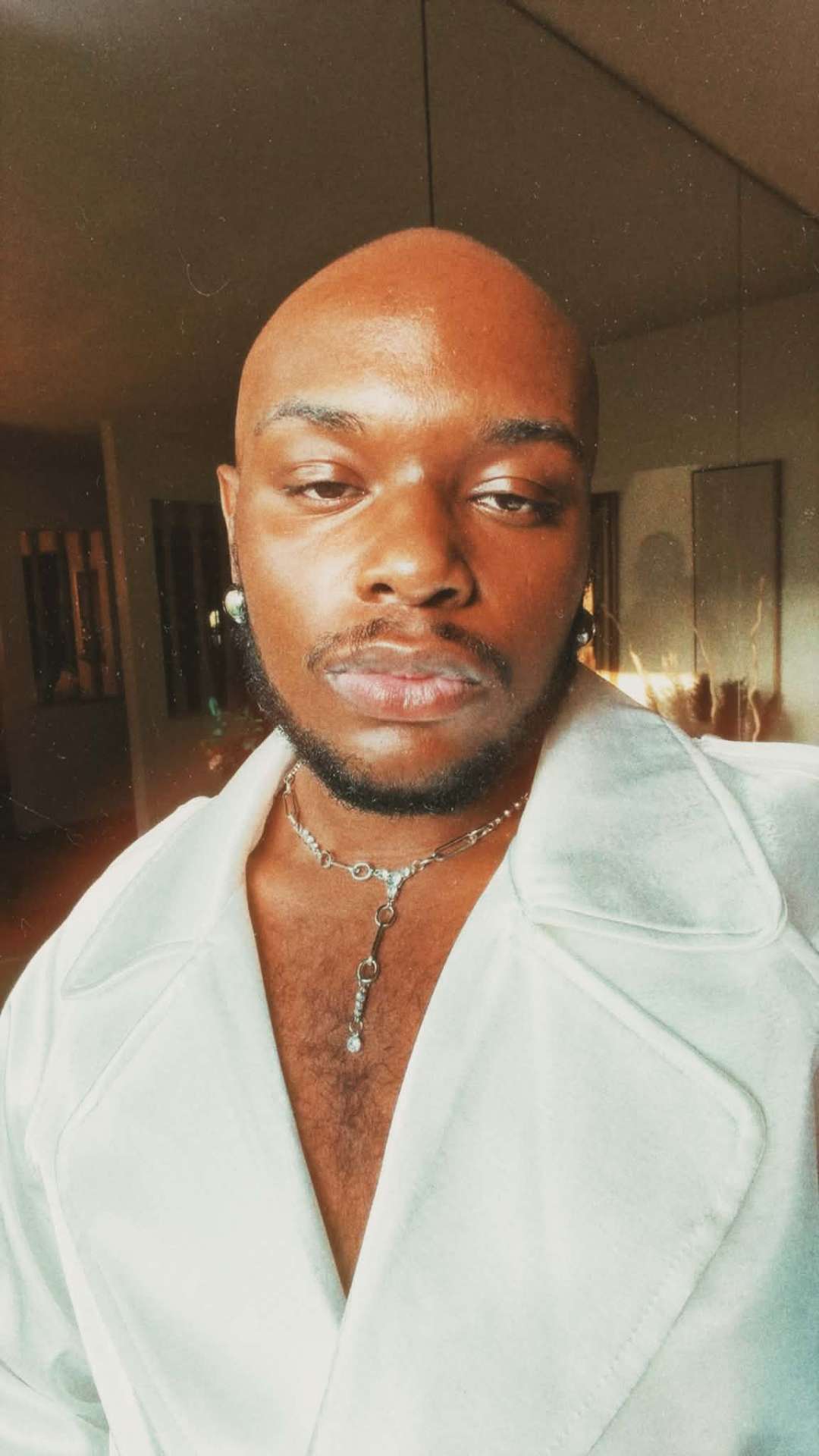
I'm Darcell Andre — a Clairvoyant, Hoodoo practitioner, teacher, spiritual guide, theatre artist, and cultural observer. I am the developer of Afro-Numerology and the creator of the Sacred Count, working out of San Antonio, Texas, in a lineage that runs back through Black Southern tradition and the wider African Diaspora.
My work lives at the intersection of Spirit, culture, ancestry, and the wisdom of the Numbas. The teaching, the readings, the writing, the rituals — all of it is one practice: a Black Southern way of remembering that nothing is coincidence and the rhythm has always been here.
Growing up Black in the South, I was raised by storytellers, church mothers, elders, hairdressers, root workers, and uncles who could read a room without saying a word. I learned early that wisdom doesn't only live in books. It lives in church pews, family gatherings, kitchen tables, front porch conversations, and the everyday rhythms of Black life.
Long before I had language for it, I was listening — to numbers, to names, to the way Spirit moves through a people. That listening became a lifelong study, and eventually, a body of work.
My path has carried me through many traditions — Black Southern Christianity and its deconstruction, Hoodoo, Ifá studies under Iyanifas and Babalawos, Buddhist teachings, theatre, and cultural analysis. Each gave me language for the same thing: how Spirit speaks, and how a people learn to listen.
"Hoodoo, scripture, Ifá, stillness, song, and study — every tradition lent me a vocabulary for listening to Spirit."
An active practice rooted in Black Southern folk spirituality — ancestors, roots, prayer, work.
My own framework for reading the relationship between numbers, ancestry, identity, purpose, timing, Spirit, and culture.
Church, kitchen, porch, and yard — the everyday cosmology of Black Southern life.
The first vocabulary — scripture, song, and Sunday-morning rhythm, held honestly and questioned faithfully.
Studied under the guidance of Iyanifas and Babalawos in the Yoruba tradition.
Stillness, breath, and the discipline of meeting things as they are.
The craft of presence, gesture, and the truth that lives inside performance.
Reading the moment — its sounds, its silences, its inheritance — across the African Diaspora.

My experiences as a Black queer person in the South led me to think deeply about power, belonging, identity, ancestry, and liberation. None of that lives apart from the work; it shapes how I read a chart, hold a circle, or call on the ancestors.
Womanist and Black feminist thought, alongside the lived wisdom of Black communities across the African Diaspora, have profoundly shaped how I understand community, Spirit, justice, and what it means to live a meaningful life.
No spiritual system is complete if it cannot account for the full humanity of Black folks — queer, femme, ordinary, and otherwise — and the inherent dignity of every person who comes to it.

Out of years of practice in Hoodoo, Ifá studies, Black Southern tradition, theatre, and numerology, I developed Afro-Numerology — a spiritual framework for reading the relationship between Numbas, Spirit, ancestry, identity, purpose, timing, and culture. The Sacred Count is its primary tool: a way of meeting the four Numbas you came in carrying.
How you enter the world.
What your soul carries.
What moves through you.
What life asks you to become.
"I call this work Afro-Numerology because it is rooted in Black ways of understanding Spirit, ancestry, community, and meaning — the traditions that have shaped Black life across the African Diaspora."
Numbers may be universal, but the ways we understand identity, purpose, destiny, ancestry, and Spirit are shaped by culture, memory, and community. Afro-Numerology honors that. This work is for anyone who comes to it honestly, and it is unmistakably grown from Black soil.
Through ancestors, through culture, through the Numbas.
The rhythm is already here.
The work is learning how to listen.